by Xinru Liu
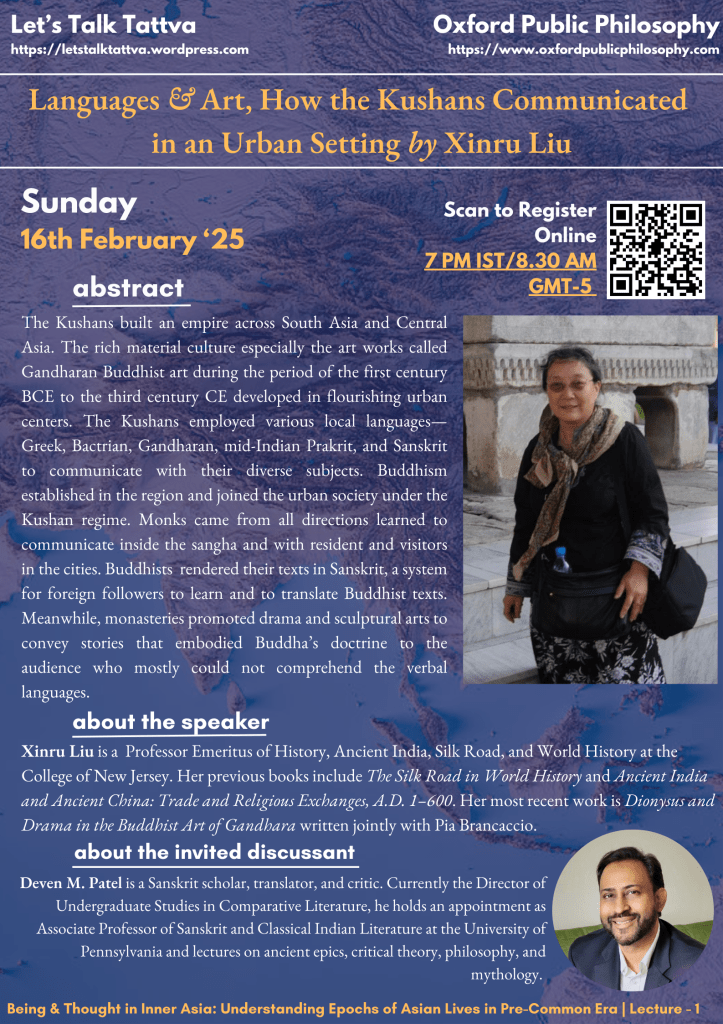
Prof. Liu’s lecture is the first of the lecture series — Understanding Epochs of Asian Lives in Pre-Common Era — jointly pursued by Let’s Talk Tattva and Oxford Public Philosophy. Prof. Xinru Liu, Professor Emeritus of History, Ancient India, Silk Road and World History at College of New Jersey talks about the Kushan dynasty along historical, geographical, religious and cultural axes. Prof. Liu draws on various kinds of sources to animate the life-world of the Kushans, that enable us to think closely about the impact of their rule onto the thought-schema of successive life-worlds as well as, with some sound reasoning, onto the formation of certain traditional conceptual frameworks. Dr. Deven M. Patel who, thanks to the effort of team Oxford Public Philosophy and Kas in particular for connecting all of us, joined Prof. Liu to discuss the vibrant material culture of the Kushans and its consequent cultural reverberations across territorial and cultural boundaries. Dr. Patel is an Associate Professor of Sanskrit Language and the Literatures of South Asia.
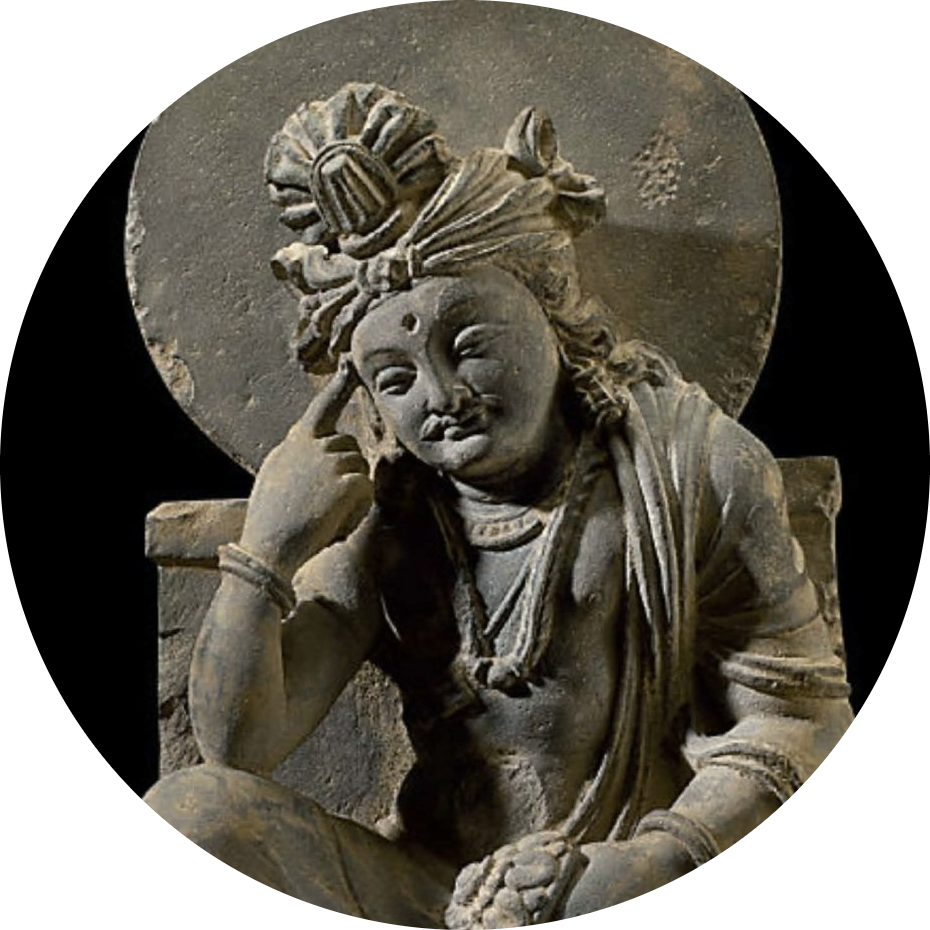
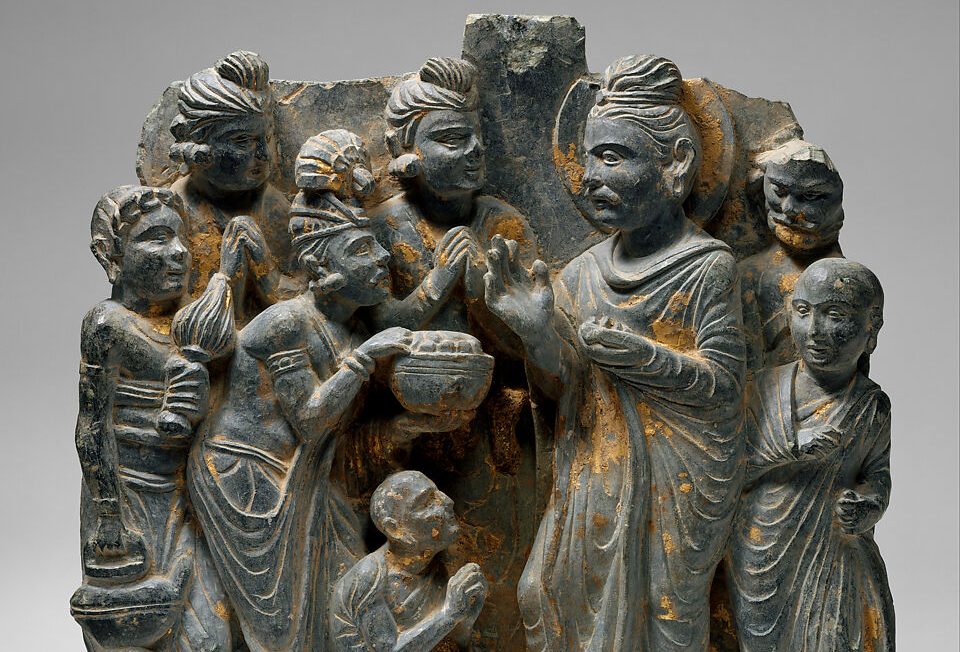
abstract: The Kushans built an empire across South Asia and Central Asia. The rich material culture especially the art works called Gandharan Buddhist art during the period of the first century BCE to the third century CE developed in flourishing urban centers. The Kushans employed various local languages—Greek, Bactrian, Gandharan, mid-Indian Prakrit, and Sanskrit to communicate with their diverse subjects. Buddhism established in the region and joined the urban society under the Kushan regime. Monks came from all directions learned to communicate inside the sangha and with resident and visitors in the cities. Buddhists rendered their texts in Sanskrit, a system for foreign followers to learn and to translate Buddhist texts. Meanwhile, monasteries promoted drama and sculptural arts to convey stories that embodied Buddha’s doctrine to the audience who mostly could not comprehend the verbal languages.
 Let's Talk Tattva: A Philosophy Discussion Forum
Leave a comment