Upcoming!
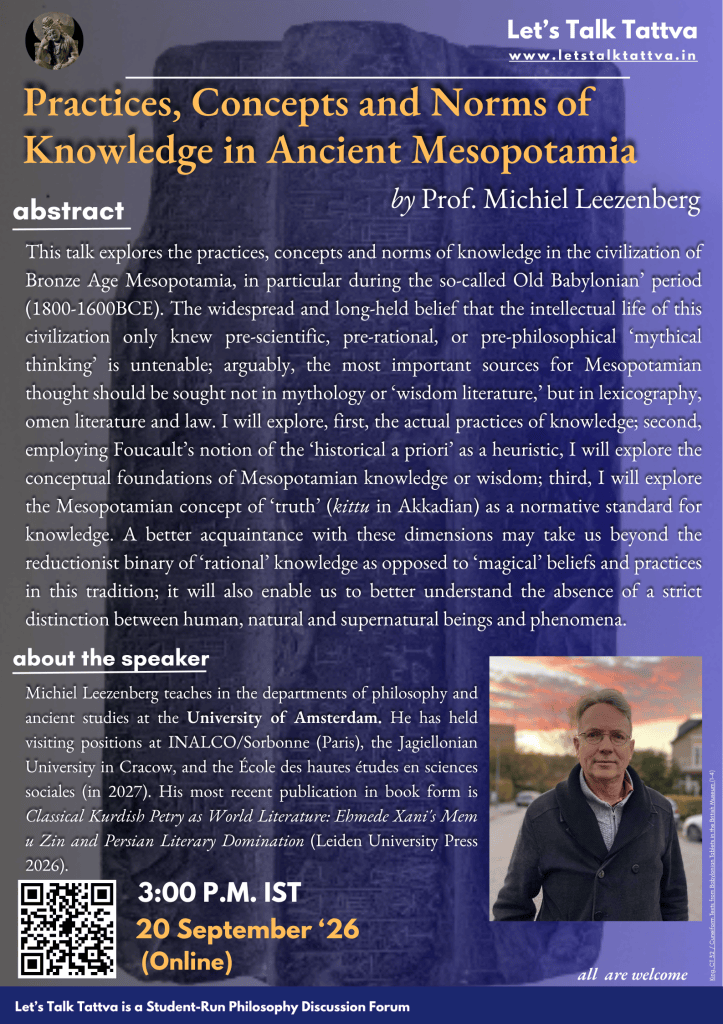
03:00 PM IST, 20th September 2026 Lecture by Prof. Michiel Leezenberg
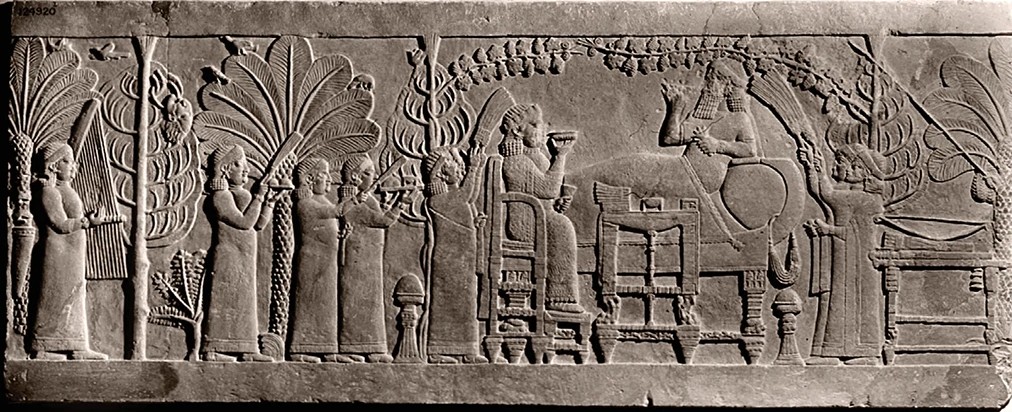
Practices, Concepts and Norms of Knowledge in Ancient Mesopotamia
This will be third lecture in our series Understanding Epochs of Asian Lives in Pre-Common Era
Abstract: This talk explores the practices, concepts and norms of knowledge in the civilization of Bronze Age Mesopotamia, in particular during the so-called Old Babylonian’ period (1800-1600BCE). The widespread and long-held belief that the intellectual life of this civilization only knew pre-scientific, pre-rational, or pre-philosophical ‘mythical thinking’ is untenable; arguably, the most important sources for Mesopotamian thought should be sought not in mythology or ‘wisdom literature,’ but in lexicography, omen literature and law. I will explore, first, the actual practices of knowledge; second, employing Foucault’s notion of the ‘historical a priori’ as a heuristic, I will explore the conceptual foundations of Mesopotamian knowledge or wisdom; third, I will explore the Mesopotamian concept of ‘truth’ (kittu in Akkadian) as a normative standard for knowledge. A better acquaintance with these dimensions may take us beyond the reductionist binary of ‘rational’ knowledge as opposed to ‘magical’ beliefs and practices in this tradition; it will also enable us to better understand the absence of a strict distinction between human, natural and supernatural beings and phenomena.
Professor Michiel Leezenberg is associate professor in the Department of Philosophy (chair of Philosophy of Science), University of Amsterdam. He is the coordinator of the Research Masters in Philosophy and the B.A. honors program in philosophy, and participates in the M.A. program Islam in the Modern World.
TBD Sep.-Oct. 2026 | Release of Prāśnika: Inagural Issue
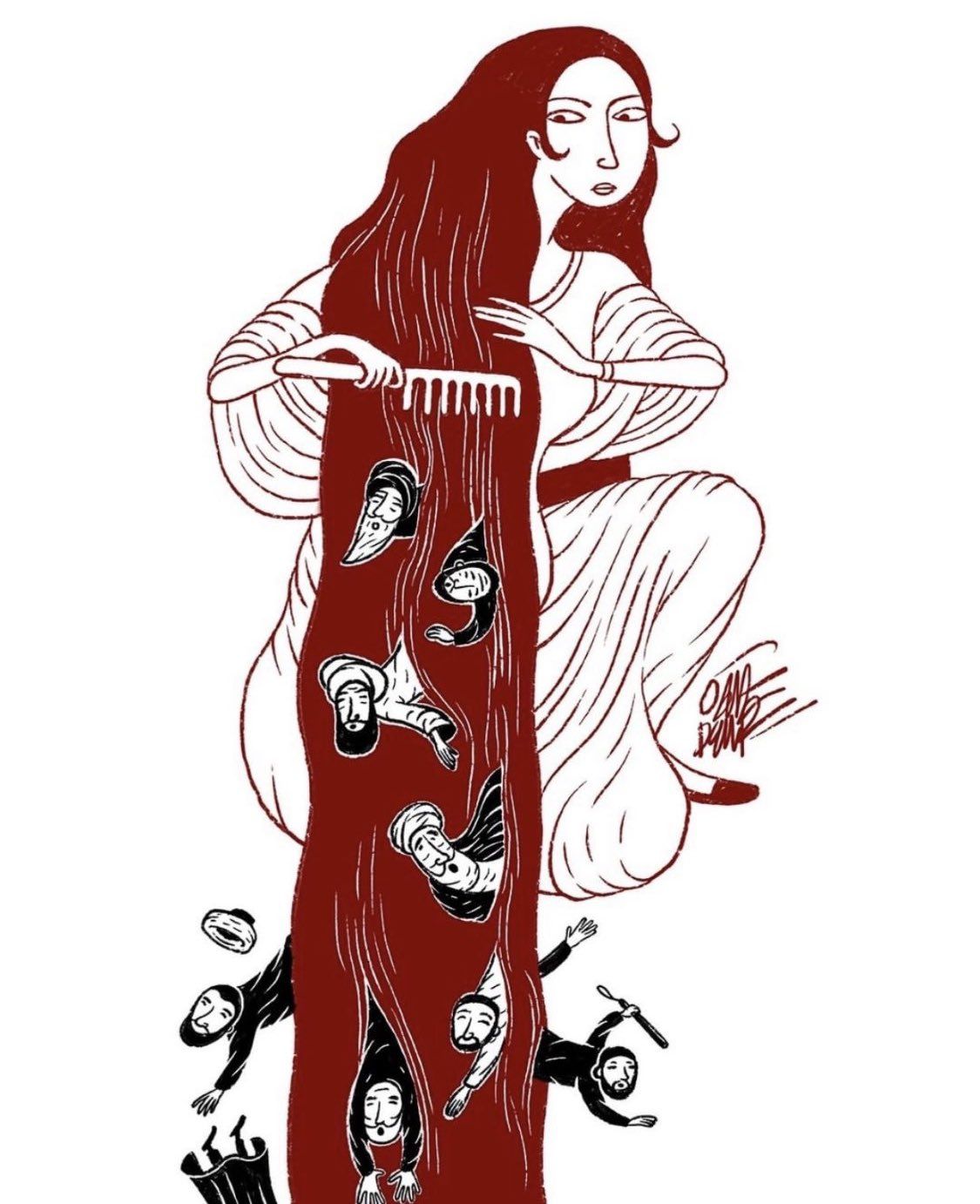
Philosophy and Poesy: Tracing the Lives of Imagination in the Subcontinent (Volume 01. Issue 01)
The inaugural Monsoon 2026 issue of Prāśnika seeks to understand the relationship between philosophy and poetry: whether such a relationship exists; whether it should exist; and whether their co-occurrence ought to be avoided and undermined at all costs. What is philosophy? What is poetry? What is the relationship between the two? Do philosophizeise when poetizeise? Do poetizeise when philosophizeise? We invite submissions that creatively engage with the questions of the shared space (or lack thereof) between philosophy and poesy, anchored in and beyond the intellectual traditions and literary practices of the subcontinent. These reflections on the lives of imagination need to be oriented towarPrāśnika’sa’s aim of producing knowledge that discloses something meaningful about our day-to-day engagements with the world, thereby deepening our affective entanglement with the world we inhabit.
You can read more about the Prāśnika here.
Call for Submissions: CfP for the second issue (March 2026) will be released soon. Get updates throught the Prāśnika website.
15 Nov. 2026 | Lecture by Prof. C. L. Seow
On The Book of Job (tent.)
This will be fourth lecture in our series Understanding Epochs of Asian Lives in Pre-Common Era
Registration Details and Time: TBA
Abstract: TBA
Professor C. L. Seow is the Distinguished Professor of Hebrew Bible
(Emeritus) at Vanderbilt University, where he was inaugural incumbent of the
Vanderbilt, Buffington, Cupples Chair in Divinity.. Before joining the faculty at
Vanderbilt in 2015, he was the Henry Snyder Gehman Professor of Old
Testament Language and Literature at Princeton Theological Seminary, where
taught for 32 years.
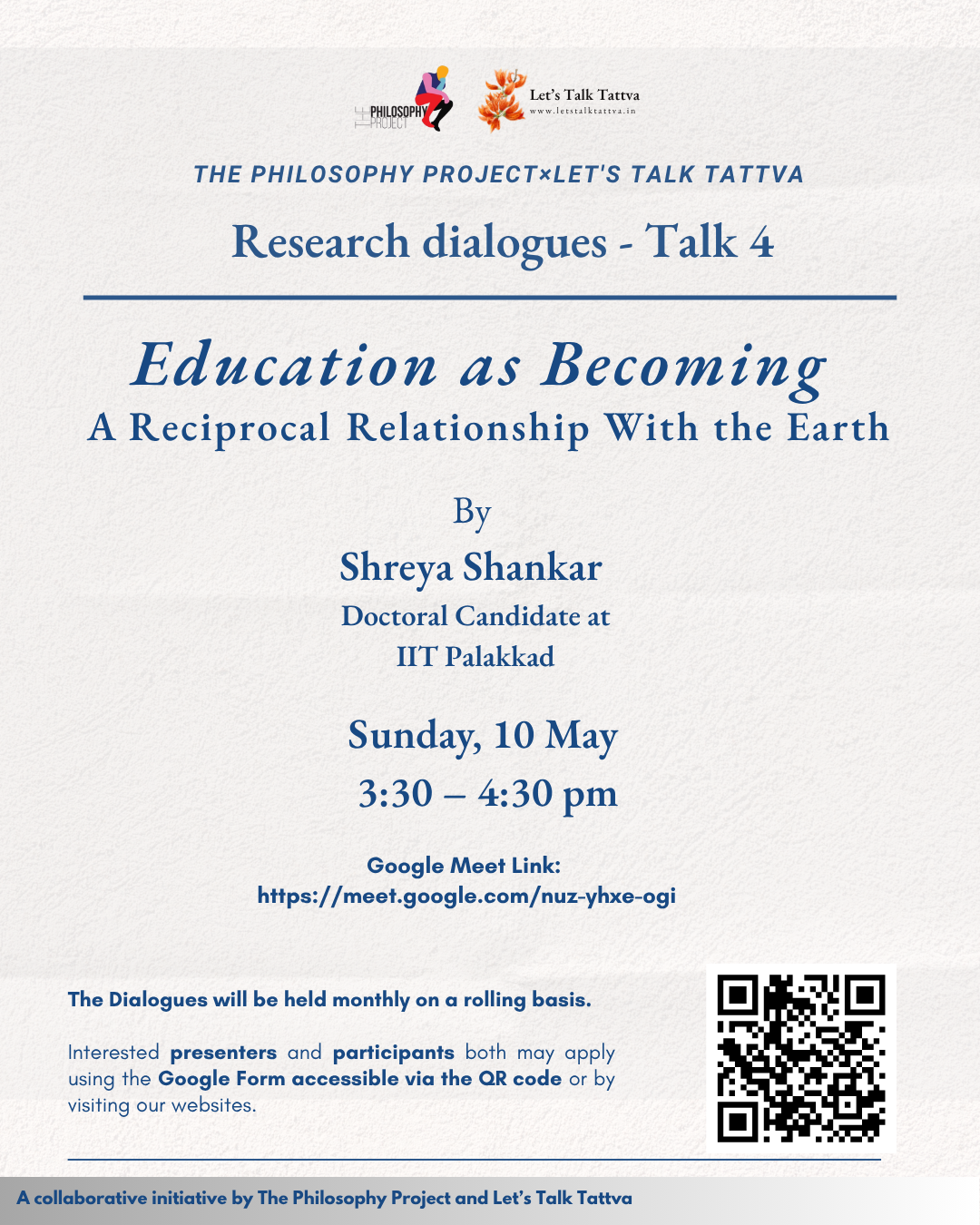
research dialogues
This initiative aims to create a collaborative space where participants can present their ongoing research, engage in constructive dialogue, and receive rigorous feedback from peers across diverse philosophical disciplines.
We invite submissions for upcoming sessions. Proposals should include:
1. Title of presentation
2. 200–300 word abstract
3. Short bio (50–100 words)
Sessions will be held online to enable broad accessibility. Further details will be provided upon acceptance of proposals.
Work with us

Subscribe
Enter your email below to receive our monthly newsletter.