Session 1: Dattatreya: An Introduction
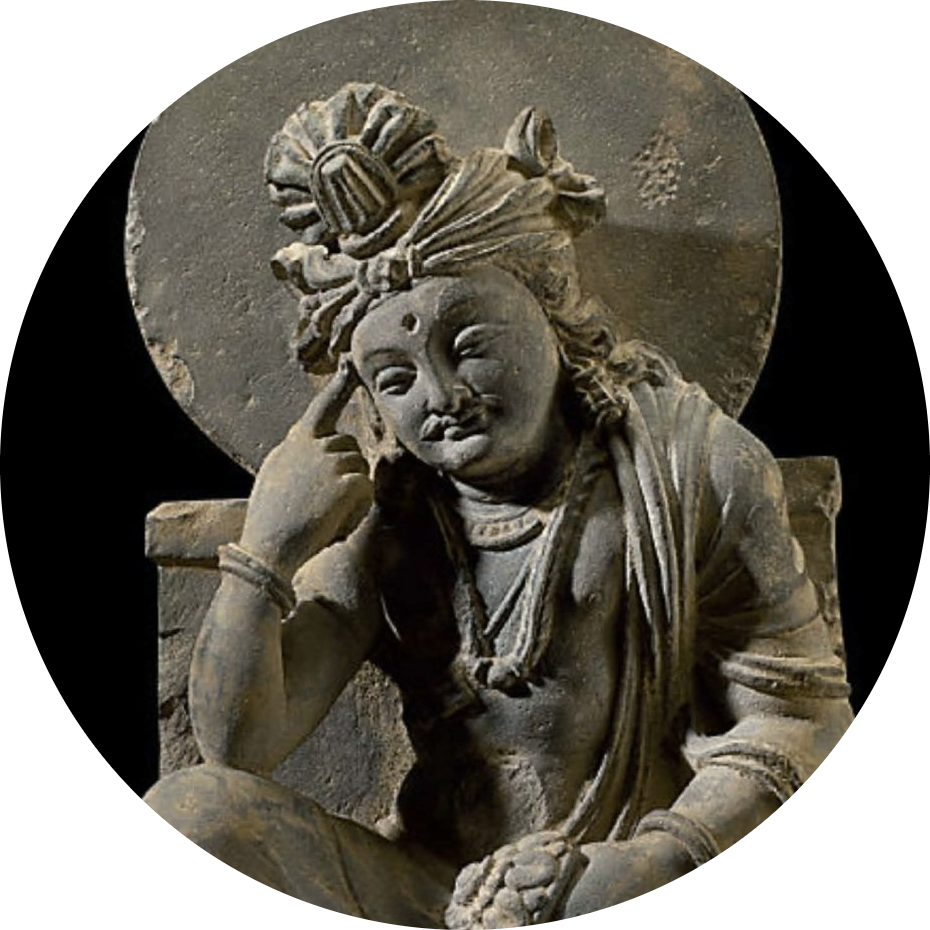
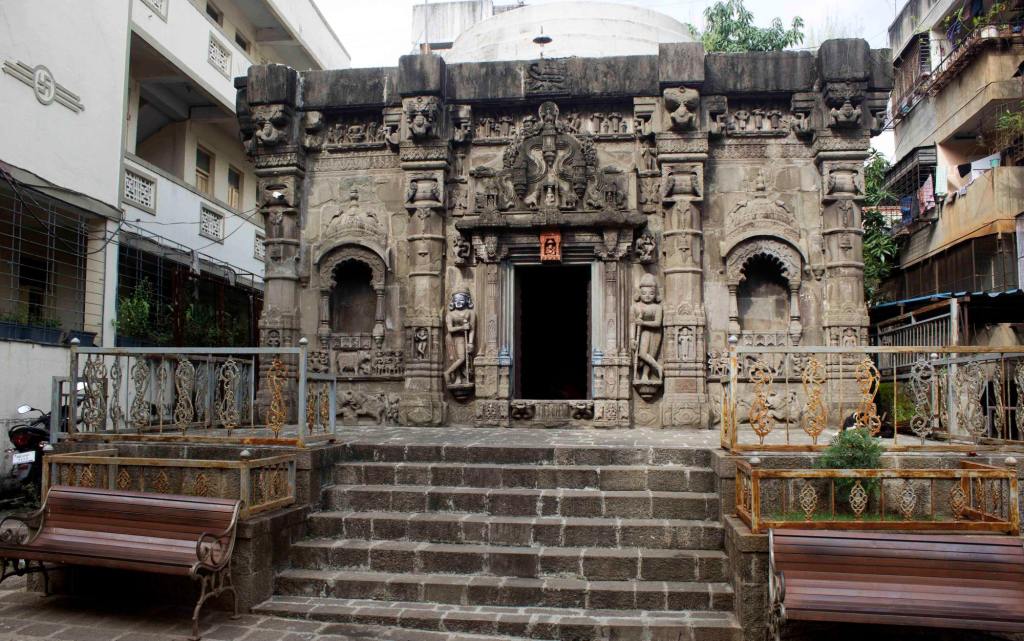
Dattatreya is a Puranic deity, in origin a Tantric antinomian yogin later sanitized and adapted to the devotional milieu of the Puranas. Significant Puranic loci are Bhagavata Purana 1.3.11, 11.7.24-11.9.33 and Märkandeya Purana chapters 17-19, 37-43. The mythical accounts present him as the son of the rsi Atri and of his wife Anasūyā. The vaişnava character of the deity is intertwined with antinomian traits and from its inception Dattatreya’s theology appears as an inextricable mixture of vaisnava and śaiva elements. Although Dattatreya’s presence is traceable even in Nepal, his heartland is the Marāṭhī cultural area. The oldest testimony of his presence is in the literature of the Mahanubhāvs, a monastic community conceived as heterodox by Brahmanical authorities. The Gurucaritra, which began “The Tradition of Datta [Followers],” emphasizes Brāhmanical ritual orthodoxy in an effort to counter Islamic dominance and Tantric excesses. On the whole, the Dattatreya movement exhibits ambivalent traits. On the one hand, it expresses an integrative spirituality that accommodates even Islamic tenets, while on the other, it is the catalyst of Brahmanical pride and of an assertive ritual orthodoxy.
Session 2: Configuring the Great Experience
The synthesis of spiritual conceptualizations with empirical or worldly knowledge has historically been integral to the continual renegotiation and reconfigurations of ideas concerning the self, the world, and society. In the context of (late) medieval Western India (precisely the Marathi-speaking region), the prominent ideas emerging from religious and philosophical discourses significantly informed the collective socio-spiritual and politico-spiritual imaginaries, which in turn played a pivotal role in shaping the cultural and political consciousness of the modern Marathi religious public sphere. In this talk, I explore the significance of notions related to cultural, political, and spiritual constructions of the self and the sect/society as articulated within the Mahānubhāva sampradaya. I examine how these ideas contributed to the formation and evolution of early modern, modern, and contemporary conceptions of ‘Marathiness’ and ‘Hinduness’ in the Marathi-speaking public domain, with a brief reference to Bhalchandra Nemade’s vision of Deśīvāda.
 Let's Talk Tattva: A Philosophy Discussion Forum
Leave a comment